

Traditional Portuguese Festivals: best and 2026/27 dates
Portugal is home to many traditional Portuguese festivals that are celebrated in towns and villages across the country. These annual festivals are an integral part of Portuguese culture and heritage, and they draw thousands of locals and tourists alike each year.
In this post, learn what to expect visiting these festivals, and when are they held. I update the list annually. This can help you to choose the best time to visit Portugal if you want to attend any of them, and some of them are quite impressive!
Why are these Portuguese festivals called traditional?
Portuguese festivals are deeply rooted in tradition, with customs and rituals passed down through generations. They are mostly the chances for the community to unite, mingle and keep their heritage alive, but they are fun events to visit for us to learn local culture and traditions as well!
Though festivals in Lisbon and Porto are the most popular ones, some other cities in Portugal have even larger celebrations and biggest events. From the colorful Carnaval or somber Easter celebrations in the Algarve region to the lively street parties during the Santos Populares, you can find some interesting traditional festivals to attend.
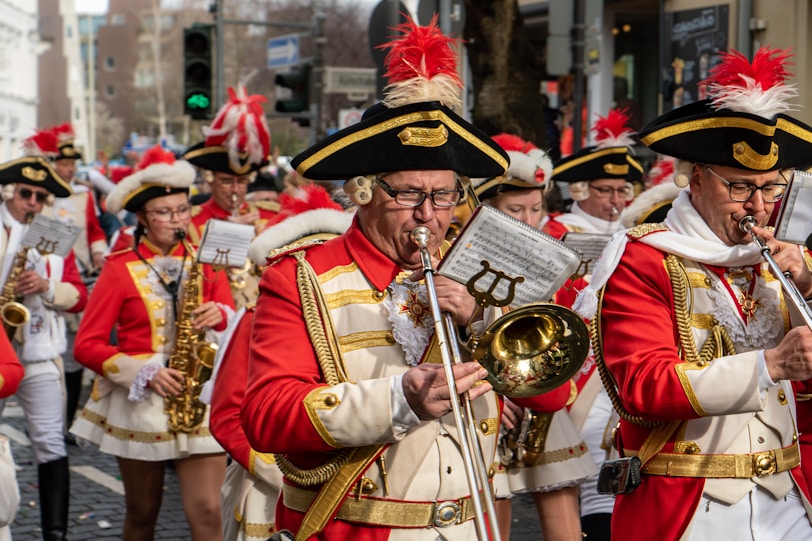
Famous Portuguese festivals
There are a few major Portuguese festivals that are particularly popular. Here is a short list of the most important ones:
- February: CarnivalApril/May: Holy Week
May (usually): Fatima Pilgrimage - May: Festa das Cruzes, Barcelos
- June 12th: Festa de Santo António (Festival of Sardines)
- June 23rd: Festa de Sao Joao do Porto, or Saint John the Baptist festival
- July: Festa do Colete Encarnado
August: Festa da Se - August: Medieval Santa Maria da Fiera festival.
- October: Sintra Festival
- November: All Saints’ Day (Dia de Todos-os-Santos)
- November: Feira Nacional do Cavalo Golega
- December: Feast of the Immaculate Conception (Imaculada Conceicao)
- December: Christmas and Christmas markets all over Portugal, with Algarve’s Vila Vita Parc resort in Porches being the most interesting.
Because many of these Portuguese festivals depend on the Easter date, which changes yearly, the dates differ each year. Below are short descriptions of these festivals, or go straight to the exact dates list at the bottom of this page.
Carnaval
Carnaval, also known as Carnival or Mardi Gras, is a vibrant Portuguese festival and the most popular celebration in the country (and many other countries as well)!
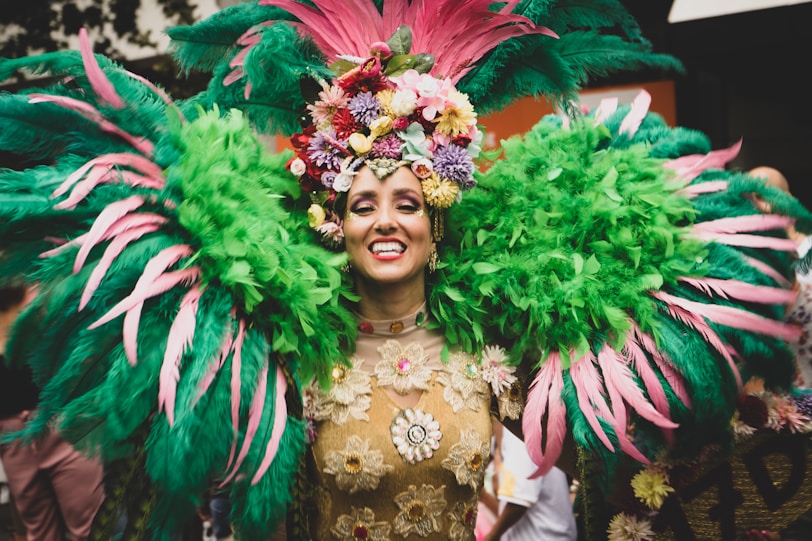
This famous traditional festival is held throughout the country, with Lisbon and the Algarve region being particularly famous for their spectacular parades and festivities.
The roots of Carnaval in Portugal can be traced back centuries, originally serving as a way for people to enjoy forbidden meat before the
fasting during the Lenten season. This is sort of the last breath before diving in fasting and penance (not as strict nowadays).
The celebrations begin on the last Friday before Lent and end on Shrove Tuesday, marking the start of the Lent.
During Carnaval, Portugal and its towns and cities come alive with colorful processions, lively music, and dancing on the streets, where anyone can participate – my favorite part! They usually start with traditional folk dances. I truly enjoy watching them. I’ve recorded hours of that, and I will post soonish.
You can also find cultural events, concerts, theater shows, and art exhibitions.
One of the Carnaval’s traditions is wearing masks and costumes. This helps people to let loose and be someone else for a day, which is always fun!
Food is also a highlight of Carnaval in Portugal. Street vendors and restaurants serve traditional dishes like grilled sardines and Pastéis de Bacalhau and sweet treats like Malasadas (Portuguese doughnuts).
Don’t miss this street parties. You will find here people of all ages that come together to dance, sing, and enjoy traditional Portuguese food and drink.
In Lisbon, the Carnaval parade is a highlight of the festivities, with uniquely custom decorated floats and participants in beautiful costumes marching through the streets.
Semana Santa
Semana Santa (Holy Week) is another important traditional Portuguese festival. it is celebrated throughout the country with religious processions and ceremonies. This festival is the the biggest celebration in religious circles.
There are also some other important religious festivals.
Some of the most famous religious traditional festivals take place in Braga, Guimarães, and Tomar. (April/May)
Semana Santa in Olhao
Semana Santa is taken seriously in Olhao (the Algarve), in the same way as the described above festivities in Guimarães .
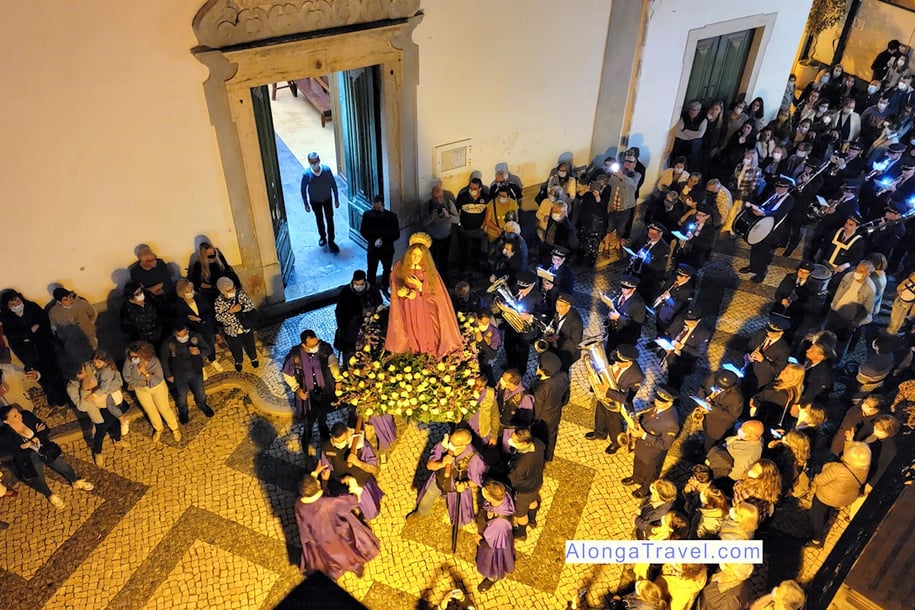
Here is a beautiful Good Friday night procession in Olhao. I will post a video of it soon, as music is crucial for experiencing this. Surprisingly, the music wasn’t somber, it was beautiful Portuguese traditional music and very special.
I was very lucky and I had a front row view from my balcony. The view really just couldn’t be any better, and made this a very special event! And if you are wondering how I was able to get this wonderful place to stay, read my post on interesting places to stay. This was, actually, a private room in a hostel, and I just couldn’t be happier with my choice!
Fátima Pilgrimage
Fatima Pilgrimage is an important traditional celebrations in Portugal, and even the most important pilgrimage site for Catholics around the world.
On October 13, 1917, something amazing happened in Fatima that attracted tens of thousands of people – the Miracle of the Sun. Witnesses reported seeing the sun dance and spin in the sky.
This event followed a series of visions earlier that year, when three shepherd children named Lucia, Francisco, and Jacinta said they saw the Virgin Mary.
Today, people can visit Fatima for candlelight processions every night from April to October for the pilgrimage, to experience the magic of the place.
Fatima is also a popular destination for the finish of increasingly popular route – Camino de Santiago, a part of the Camino Portugues (the Portuguese Way). My fellow blogger Allison does a great job covering this and other Portuguese Caminos in her blog.
The sanctuary where the Camino ends is quite striking, with two large churches surrounding a big open space designed to welcome the many visitors seeking faith and peace.
This place is interesting to visit, regardless of your religious believes. I really enjoyed my trip to Fatima. I went there by bus from Lisbon, Portugal.
Although Fatima hasn’t been officially recognized as a UNESCO World Heritage site, it’s well-known as the key destination for Catholics everywhere.
The Festas do Senhor Santo Cristo dos Milagres
The traditional Festivals of the Lord Holy Christ of Miracles or The Festas do Senhor Santo Cristo dos Milagres is one of the biggest religious celebrations in the Azores, the autonomous region of Portugal.
It takes place at the Convent of Nossa Senhora da Esperanca in Ponta Delgada and typically occurs on the fifth Sunday after Easter, which usually falls in May.
The highlight is a three-hour procession where thousands of people walk through the city streets, carrying an image of Jesus in a quiet, respectful parade.
But it’s not all serious prayers – there’s also fun stuff going on. You’ll find concerts, art shows, markets with local goods, charity auctions, and music from traditional Portuguese bands. It feels like a real community festival, and I advise you to visit it!
P.S. Did you know that there’s also a Festa do Senhor Santo Cristo in Bermuda, which has a strong connection to Azorean immigration? Have you found it anywhere else? Let me know on social media.
Festa de Santo António or the Festival of Sardines
Festival of Sardines has a more popular name – festa de Santo Antonio
The festival takes place in Lisbon on June 12th and honors the city’s patron saint, Santo Antonio, with street parties, parades, and the traditional grilling of sardines.
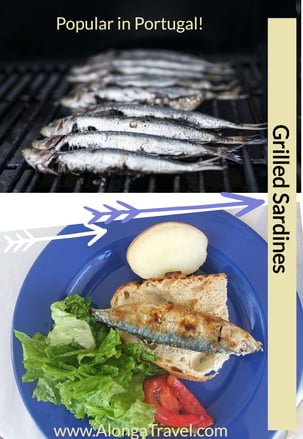
About this time of the year, other saints like Saint Matthew and Saint John are also celebrated in Portugal.
Festa de São João do Porto (Saint Anthony’s Festival in Porto) occurs a bit later, on the night of June 23rd into June 24th. It is primarily celebrated in Porto, so add it to your itinerary if you’re there. it is fun festival with street parties, bonfires, and the traditional hitting of plastic hammers on people’s heads. I don’t like this part:), but the tradition has started in the 16th century, and I can’t argue with that! 🙂
Saint Matthew’s celebration tends to be less prominent compared to Santo Antonio and Saint John, but it is typically observed on September 21st. It’s one of the fun things to do in Lisbon.
Read about popular Saint’s celebrations in Lisbon in my other post.
Medieval Santa Maria da Fiera festival
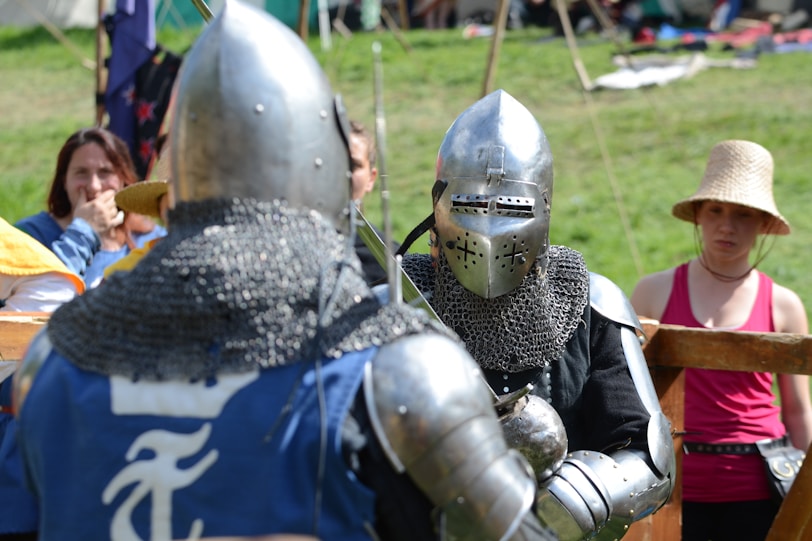
Medieval Santa Maria da Fiera festival (Viagem Medieval em Terras de Santa Maria). This is a very fun event! Watch how Santa Maria da Feira, a small city near Porto, transforms into a medieval town. This Portuguese city’s historical center comes alive with the spirit of the past.
You can get a taste of the medieval fair, filled with all kinds of interesting characters. You’ll see talented merchants, skilled artisans and bakers, hardworking blacksmiths. You can even watch a knights tournament, and admire the knight’s heavy armor and swords.
Don’t miss this fun event! The website is at the top of this chapter.
Festa dos Tabuleiros
Festa dos Tabuleiros (July). Every four years the ancient town of Tomar holds a special event called the Festa dos Tabuleiros, which is also known as the Festival of the Trays or the Feast of the Holy Spirit.
Festa da Se (Feast of the Cathedral)
Festa da Se (Feast of the Cathedral) – Takes place in Évora in August and celebrates the city’s cathedral with food, Portuguese music, and religious processions.
In Vila Franca de Xira Estoril, there is a very famous classical music festival that happens in July and August. It’s one of the music festivals in Portugal, with Rock in Rio festival (in Lisbon), being the largest one.
Sintra Festival – (October). The festival happens in Sintra, Portugal. It is all about showing different kinds of movies from many countries. They feature independent and arthouse films that come in lots of different genres, styles, and formats. And if you get tired from watching movies, you can visit Sintra’s palaces. This palace is my favorite palace in Sintra.
Feast of the Immaculate Conception
Feast of the Immaculate Conception. The feast of the Immaculate Conception, known as Imaculada Conceicao, is a religious festival. It is a day when Christian believers honor the belief that Mary, the mother of Jesus, was conceived without original sin. This feast is observed on December 8th each year.
During this feast, believers gather in churches and participate in special Mass services dedicated to Mary. They offer prayers and hymns, expressing their belief in her immaculate conception. It is also a time when families come together to share meals and enjoy the festive spirit of the occasion.
The Festa do Colete Encarnado, also known as the Festival of the Red Waistcoat, is a fun three-day celebration. It gets its name from the bright red waistcoats worn by the campinos, who are like cowboys or bullfighters. The festival kicks off with a lively parade that honors the campinos in the city center and throughout the streets.
These are very unique festivities. Watch unmarried young men taking center stage as they organize and participate in various activities. You’ll see them visiting houses, attending masses, collecting contributions, dancing, and telling Christmas tales.
The festival is held in different villages with different names but with similar traditions. The young men gather at a designated house, prepare meals, and get ready for the festivities. You’ll see the young men dress up as devils and collect contributions from locals. That’s why this festival is also known as the Festa dos Caretos (Masked Devils´ Festival).
The festival ends with physical competitions to determine the next year’s organizers.
Independence day. On December 1, the people of Lisbon commemorate Restoration of Independence Day. This special day is celebrated with a parade along Lisbon’s Avenida da Liberdade.
These are just a few of the many traditional festivals in Portugal. Each region and town has its own unique celebrations and traditions, making the country a vibrant and exciting place to visit throughout the year.
There are other cities in Portugal , besides Lisbon and Porto, that are known for their traditional festivals.
Cities in Portugal famous for their traditional festivals
Apart from Lisbon and Porto, several other cities in Portugal are famous for their traditional festivals:
- Nazare, Torres Vedras, and towns in the Algarve area: Loule, Albufeira, Faro, and Portimão. These towns are known for its Carnival, or Mardi Gras, traditional celebrations, with lively street parties, parades, costumes and street parties.
- Evora – Famous for the Festa da Se (Feast of the Cathedral), which celebrates the city’s cathedral with food, classical music, and religious processions.
- Olhao, Braga, Tomar and Guimarães – Known for its Semana Santa (Holy Week) celebrations, with elaborate religious processions and ceremonies.
These are just a few examples of cities in Portugal with traditional festivals. Each region and town has its own unique celebrations and traditions, making the country a vibrant and exciting place to visit throughout the year.
Carnival celebrations in Nazaré, Loulé and Torres Vedras, Albufeira, Faro, and Portimão.
Nazaré, Loulé, and Torres Vedras are three cities in Portugal that are known for their carnival celebrations. These celebrations are lively and festive, with street parties, parades, costumes, and music.
Carnaval in Loule
In Loule, Algarve, you can find one of the best Carnaval celebrations in Portugal, featuring elaborate parades, lively music, beautiful costumes, cultural events, street parties, and traditional folk performances.
The celebrations are also known for their lively and upbeat music, with samba, marchinhas (Carnival marches), and other popular styles.
Carnaval in Nazare
In Nazare, the carnival celebrations often feature a parade of fishermen dressed in traditional clothing, carrying lanterns and dancing to the beat of drums.
Other towns in the Algarve with notable Carnaval celebrations include Albufeira, Faro, and Portimao. In Torres Vedras, the celebrations often include a parade of decorated cars and trucks.
Carnival festival in Portugal is fun and a great way for people to keep traditions and heritage.
Semana Santa in Braga
The Holy Week in Braga is a special event that happens in Braga, Portugal. It is a big deal in the city and attracts a lot of tourists. The event combines religious traditions and new ideas.
It is organized by different groups like the Cathedral Chapter, the brotherhoods of Mercy and Holy Cross, the City Council of Braga, and tourism organizations.
Leading up to the event, there are various activities for spiritual preparation, like Mass and the imposition of Ashes at the Cathedral.
There are also Lenten conferences and Stations of the Cross. During the Holy Week, there is a procession and a penitential celebration.
The Holy Week in Braga has been around for a long time and its history goes back to the 4th century. It has changed over the years, but it still holds on to its traditions.
I was watching Good Friday procession in Olhao in front of Igreja Paroquial de Olhão / Igreja de Nossa Senhora do Rosário, from my 3rd floor balcony. The ceremony was held right under my balcony.
Festa da Se (Feast of the Cathedral) in Evora
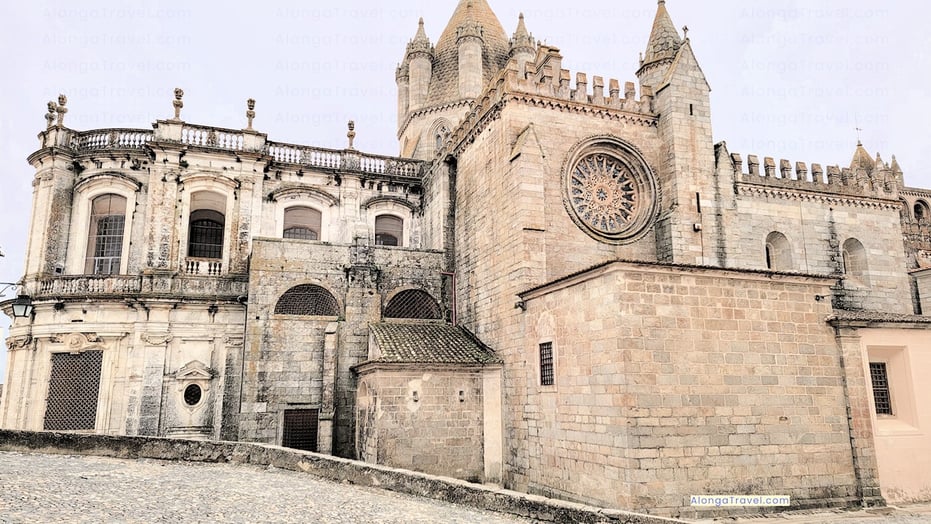
The Festa da Se, also known as the Feast of the Cathedral, is an annual event that takes place in Évora, Portugal, in August. The festival celebrates the city’s cathedral, the Se de Evora, which is one of the most important religious buildings in the country.
The festival begins with a solemn mass at the cathedral, followed by a procession through the streets of the city. The procession features religious floats, local bands, and participants dressed in traditional clothing.
In addition to the religious events, the Festa da Sé also features a variety of cultural and entertainment activities, such as concerts, dance performances, and theater shows. There are also stalls selling traditional food and drink, as well as local handicrafts.
One of the highlights of the festival is the “Cortejo dos Arcebispos,” a parade of people dressed as bishops and archbishops who have held office in the city. The parade is a colorful and lively event, with participants wearing elaborate costumes and wigs.
The Festa da Se is an important event in Évora’s life and an interesting event to atte
If you want to attend any of these festivals, research the schedule. Here is the 2026/26 Portuguese festivals lineup and dates.
2026 Portuguese festivals dates (what’s left after October of 2026):
- October 13: Major pilgrimage to Fátima (Peregrinação de Fátima)
- November 1: All Saints’ Day (Dia de Todos-os-Santos; closures)
- December: Vila Natal, Óbidos (Christmas lights, ice rink, performances); various Christmas markets (most notably several in Lisbon)
- December 1: Restoration of Independence Day (Restauração da Independência; parade on Lisbon’s Avenida da Liberdade, closures)
- December 8: Feast of the Immaculate Conception, Lisbon
- December 24: Christmas Eve (Véspera de Natal, midnight mass then feast)
- December 25: Christmas Day (Natal, closures)
- December 31: New Year’s Eve (Noite de Ano Novo, fireworks, banging of pots and pans)
2027 popular Portuguese festivals dates and lineup:
- January 1: New Year’s Day.
- February 3–14: Madeira Carnival, Madeira
- February 9: Carnival Tuesday, Portugal
- February 26–March 7: Fantasporto International Film Festival, Porto
- March 19: St. Joseph’s Day, Santarem
- March 21–28: Holy Week, all Portugal
- March 26–28: Easter weekend, all Portugal
- April 25: Liberty Day, all Portugal
- April 29–May 9: IndieLisboa International Independent Film Festival, Lisbon
- May 1: Labor Day (May Day), all Portugal
- May–September (Sunday evenings): Somersby Out Jazz, Lisbon – super fun, don’t miss this one!
- May 13: Fatima Pilgrimage, Fatima
- May 21–29: Queima das Fitas, Coimbra
- June 4–27: Madeira Atlantic Festival, Madeira
- June 12: Festas de Lisboa, Lisbon
- June 10: Dia de Camees, all Portugal
- June 10–13: Nos Primavera Sound, Porto
- June 10–20: Festival de Sintra, Sintra
- June 12–13: Santo Antonio, Lisbon
- June 17–21: SunceBeat Festival, Lisbon
- June 23–24: Festa de Sao Joao, Porto
- June 29: Dia de Sao Pedro, Évora and Sintra
- July 2–24: Festival ao Largo, Lisbon
- July 18–25: Boom Festival, Idanha-a-Nova
- July 29–31: Madeira Wine Rally, Madeira
- August 5–September 5: Feira de Sao Mateus, Viseu
- August 15: Assumption Day, all Portugal
- August 18–21: Vilar de Mouros Festival
- August 22–September 12: Madeira Wine Festival, Madeira
- October 5: Republic Day, all Portugal
- October 9: Lisbon Marathon, Lisbon
- October 13: Major pilgrimage to Fatima, Fátima
- November 1: All Saints’ Day, all Portugal
- December: Vila Natal, Obidos
- December 1: Independence Day, all Portugal
- December 8: Feast of the Immaculate Conception, all Portugal
- December 24: Christmas Eve, all Portugal
- December 25: Christmas Day, all Portugal
- December 31: New Year’s Eve, all Portugal
So, as you can see, there are many traditional Portuguese festivals, and they are celebrated all over the Portugal!
I hope this information was useful to you!
Let’s connect on social media: the links are below in the footer. Maybe you can tell me about your own experience visiting one of the Portuguese festivals!
The magnificent architecture of Evora Cathedral – the most important religious building in Portugal
Let’s connect on social media!
Found this post helpful? Please, consider supporting my work and the website maintenance cost, thank you!
Subscribe to my periodic newsletter for my new posts. New here? Visit my main Alonga Travel page.